CATASROPHE AND EMERGENCE
Dates: March - September 2024
Location: Online + Conway Hall, London
Curated by: Orsod Malik
Presented by: The Stuart Hall Foundation
Supported by: Conway Hall, Duke University Press, Cultural Studies Journal, Taylor and Francis, Cockayne, London Community Foundation, Esmèe Fairbairne Foundation, Barry Ameil & Norman Melbourne Trust
I curated the Stuart Hall Foundation’s first full-length annual programme, Catastrophe and Emergence.
Catastrophes signal a crisis of survival, knowledge, and power. They simultaneously herald destruction and renewal, political closures and openings, the demise of old ways of knowing and the emergence of new ways to relate to our ever-changing world. The programme drew from these ideas and invited artists, academics and organisers to examine the conjuncture, trace the histories constituting it, and consider the political and creative possibilities that might emerge from what was.
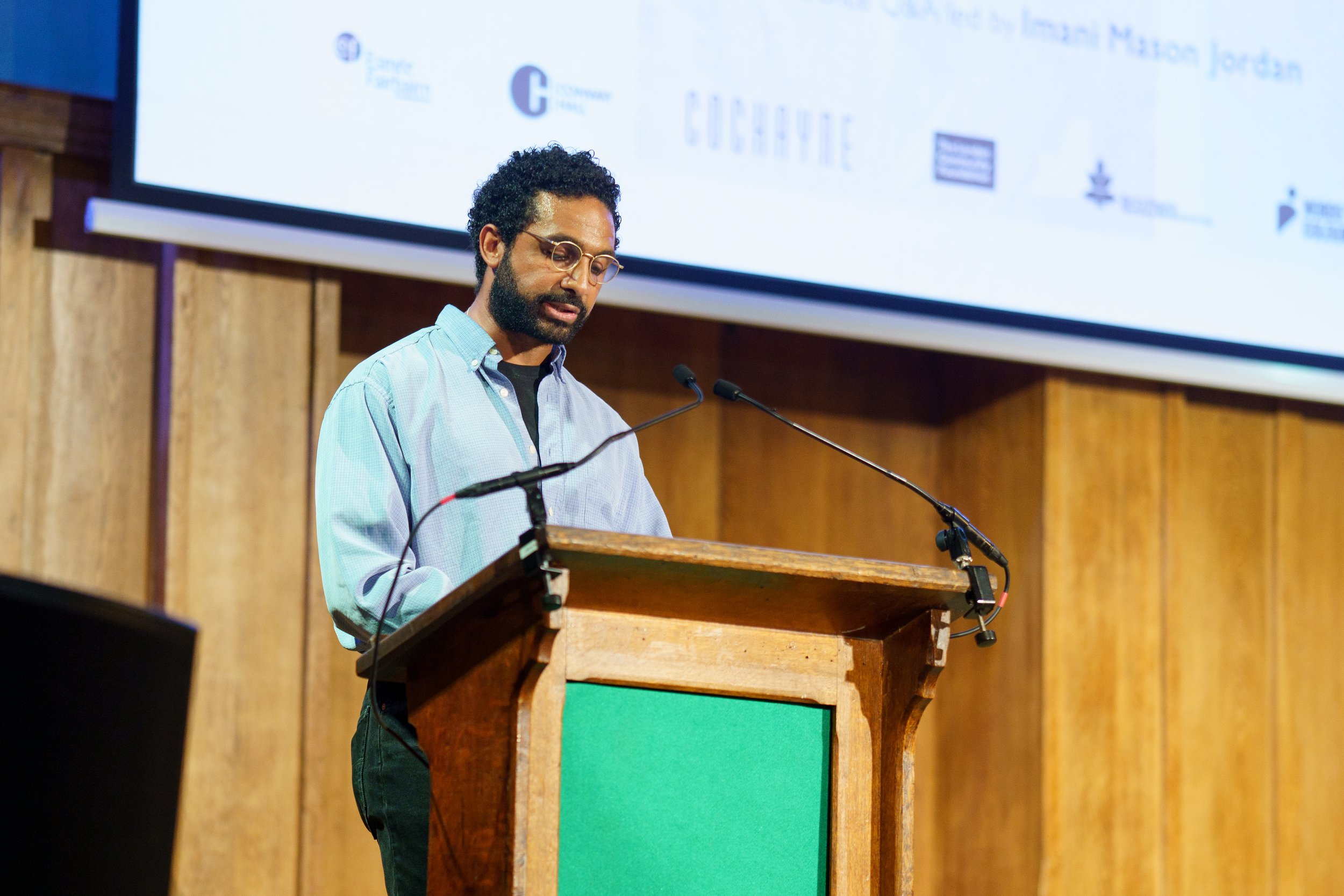
The Catastrophe and Emergence programme featured Hashem Abushama, K Biswas, Priyamvada Gopal, Imani Mason Jordan, Isaac Julien, Robin D. G. Kelley, Natascha Khakpour, Gail Lewis, Aasiya Lodhi, Victor Rego Diaz, Eduardo Restrepo, Bill Schwarz, Liv Sovik, Gilane Tawadros, Ilan Pappé, and Yutaka Yoshida.
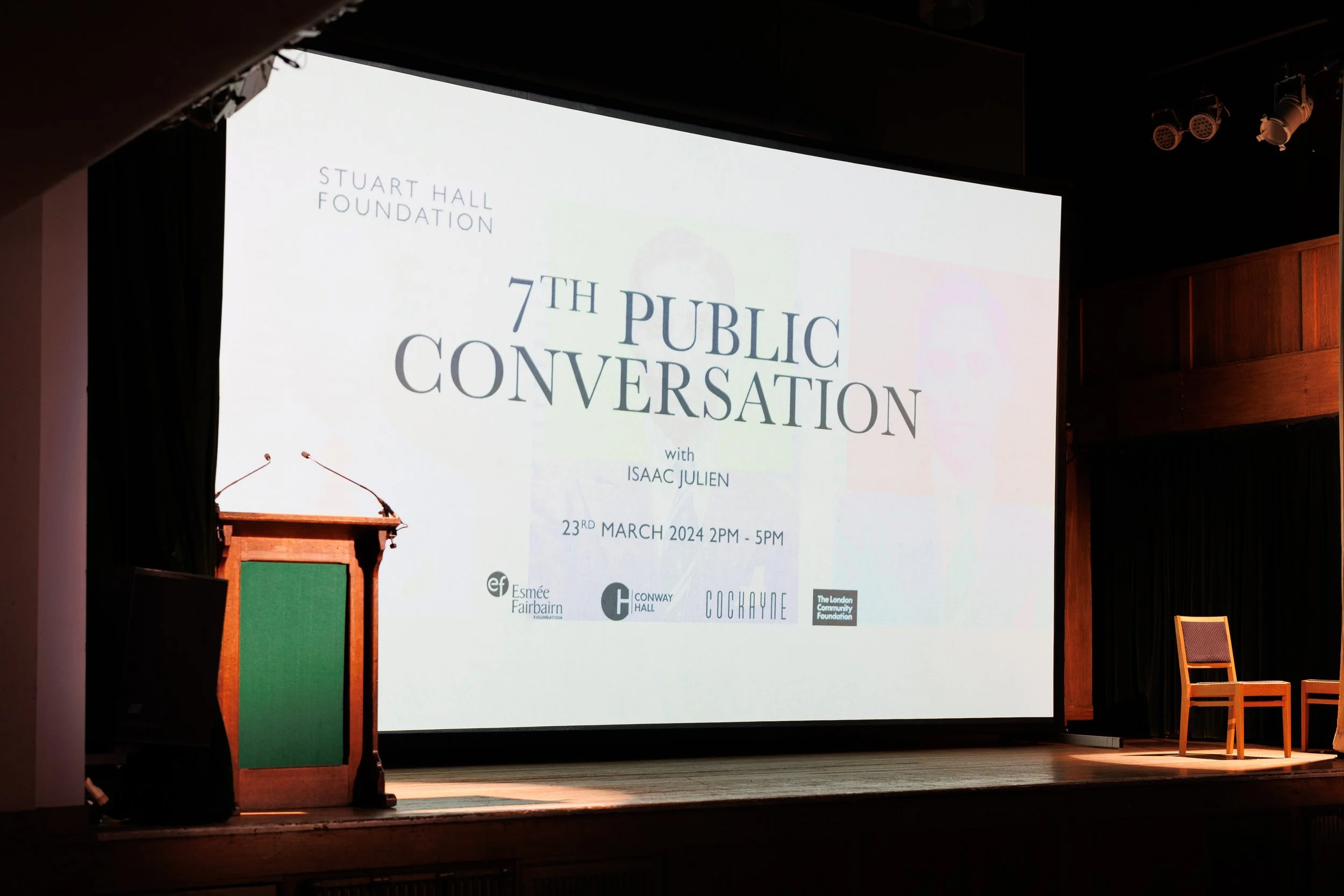
7th Annual Stuart Hall Public Conversation with Isaac Julian
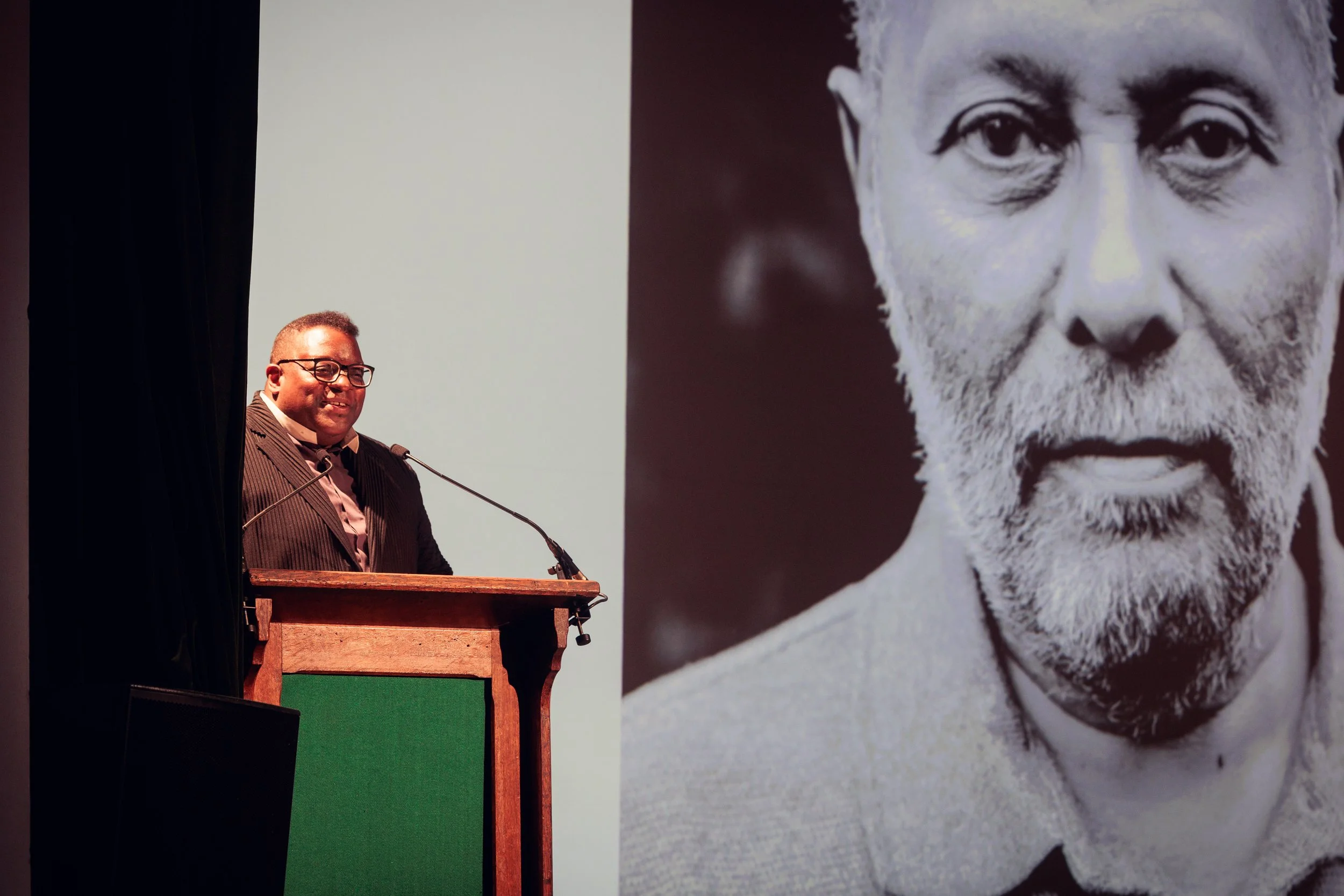
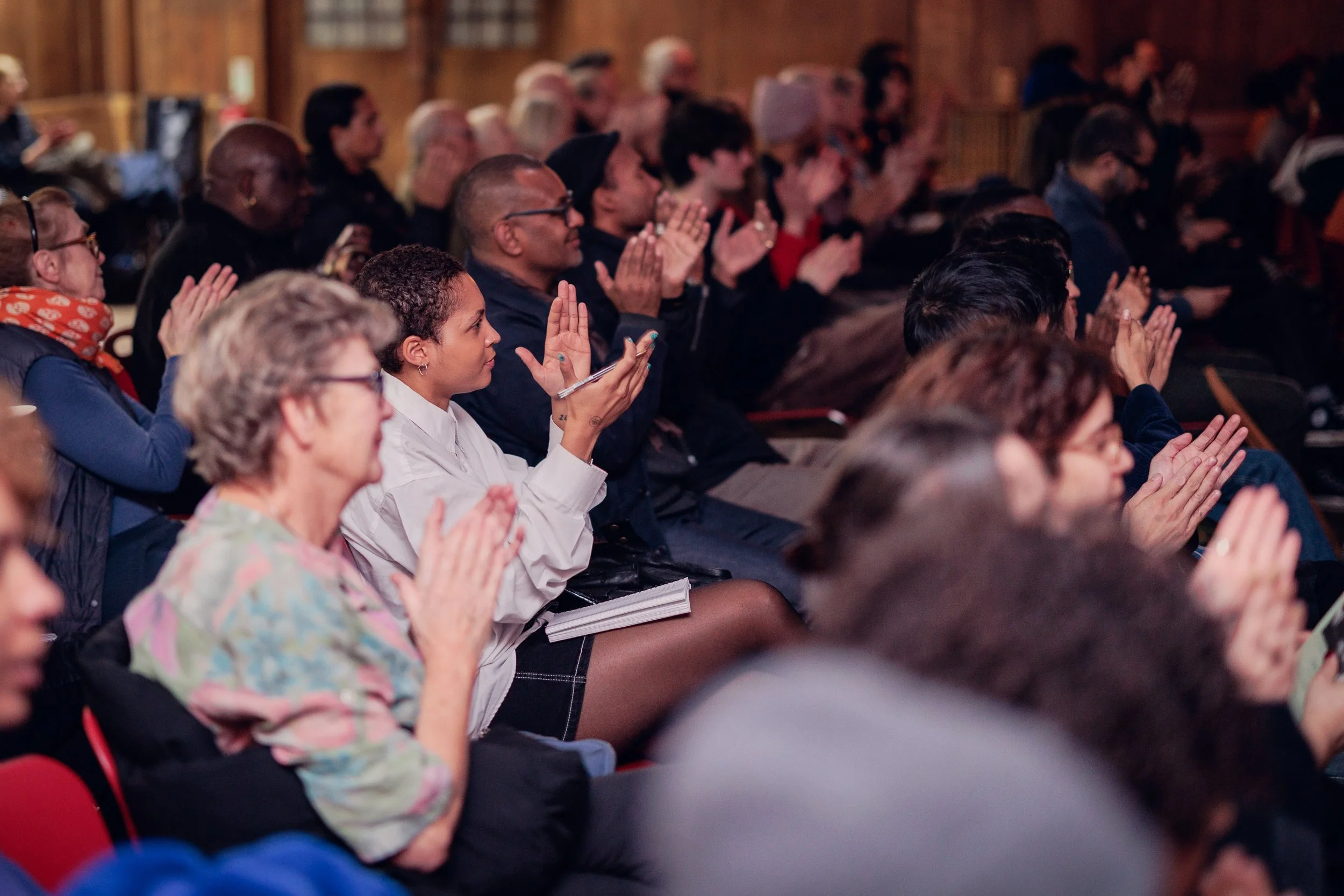
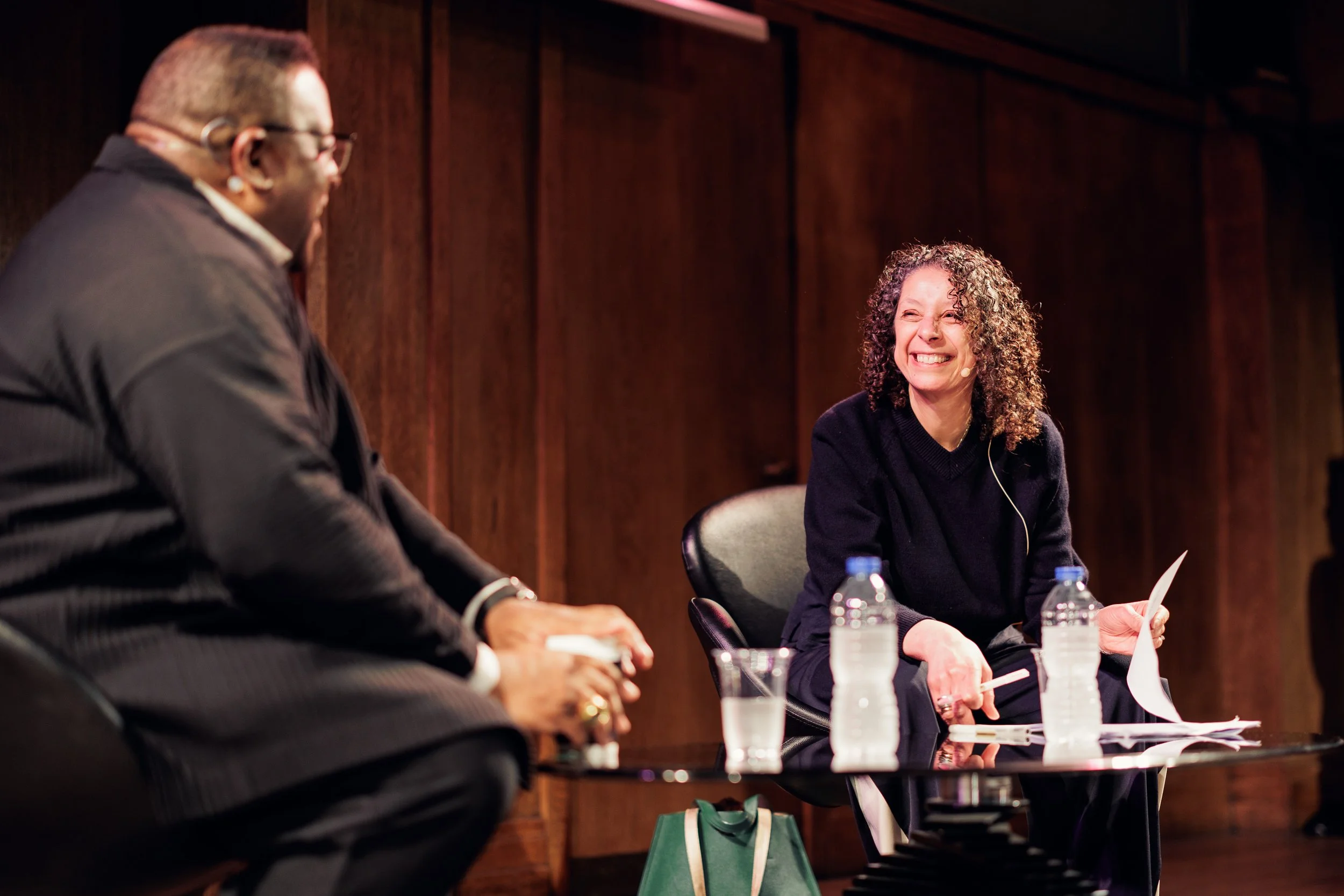
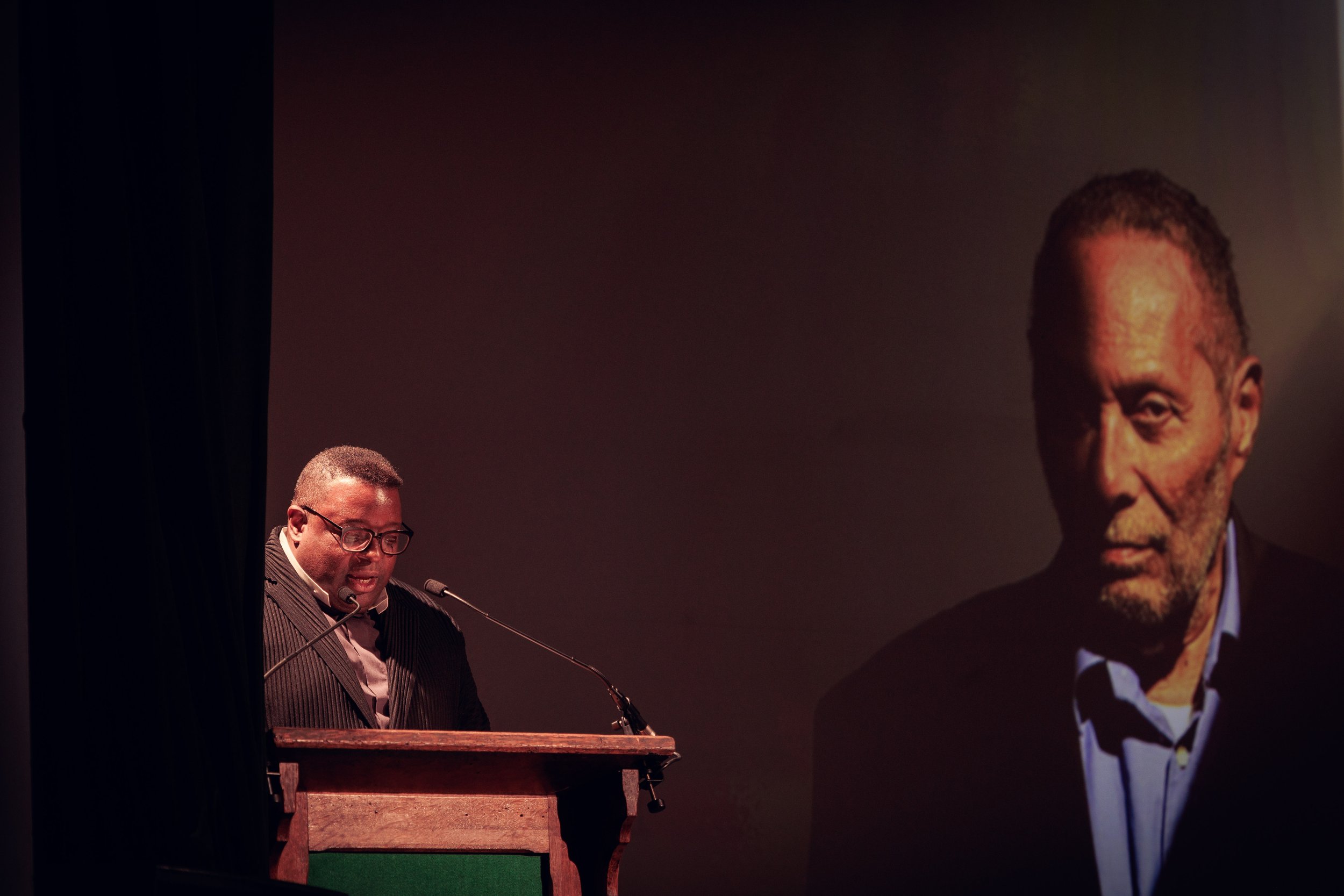
We kicked off the annual programme with a keynote and presentation from acclaimed filmmaker and installation artist Isaac Julien for the Stuart Hall Foundation’s 7th Annual Stuart Hall Public Conversation at Conway Hall, London, on Saturday 23rd March. Responding to the theme of our 2024 programme, Catastrophe and Emergence, Julien delivered a keynote presentation focused on the current state of the imaginary, exploring the connection between image-making and political allegory.
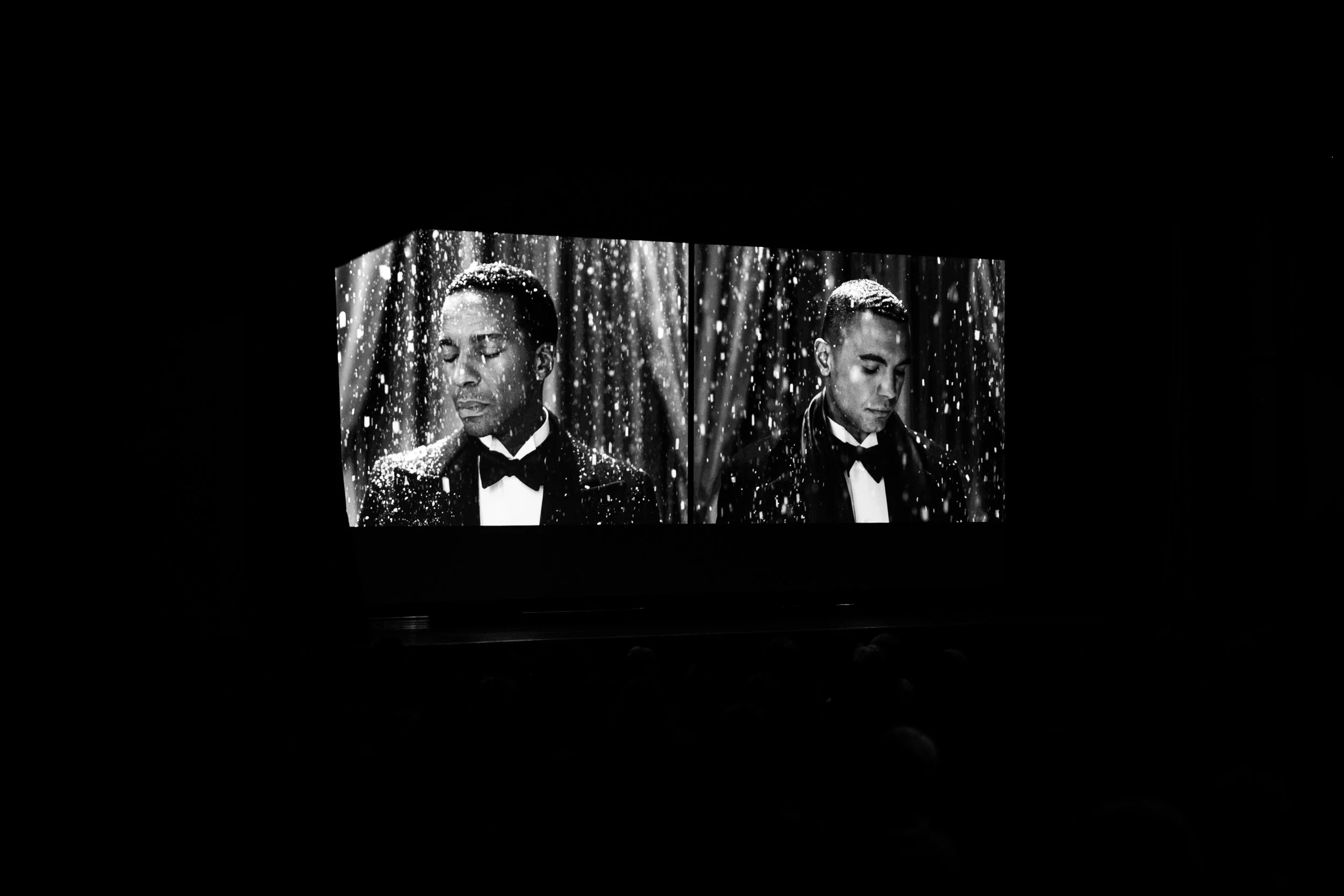
The event included a new two-screen presentation of Julien’s immersive installation Once Again… (Statues Never Die), which was the first time the piece has been shown in this particular format in the UK.
Reading the Crisis Online Conversation Series
Throughout the year, the Foundation hosted three online events as part of an online conversation series I curated entitled, Reading the Crisis. The Reading the Crisis series asks: what kinds of tools and strategies are needed to confront this conjuncture? This series seeks to advance Stuart Hall’s thinking by analysing a curated selection of three of his essays in relation to present-day political formations.
The conversations were chaired by Senior Lecturer and former BBC Radio Senior Producer, Aasiya Lodhi. Each conversation formed an online teach-in space dedicated to demonstrating how engaging in a conjunctural analysis can enrich artistic practice, deepen organising work, and academic study.
The series was supported by Duke University Press, Esmée Fairbairn Foundation and Barry Amiel and Norman Melburn Trust
Stuart Hall in Translation Series
The ‘Stuart Hall in Translation‘ series observes Stuart Hall’s ideas in motion by tracing their resonances and transformations as they oscillate between languages, historical moments, and varying socio-political contexts. The series, produced in partnership with Cultural Studies journal and edited by K. Biswas, invited translators of Stuart Hall’s work from across the world to reflect on the following questions:
What can be lost and gained when texts are translated into different languages?
Can ideas form linkages across difference?
How can ideas transcend spatial and temporal boundaries?
What are the political implications associated with ideas moving across and between temporal and spatial boundaries?
To initiate the project, in August 2022 I invited Bill Schwarz, co-author of Stuart Hall’s memoir Familiar Stranger, and Liv Sovik, professor of Communication at Universidade Federal do Rio de Janeiro, to discuss the nuances of translating Familiar Stranger and Hall’s ideas into Portuguese for a Brazilian audience.
In 2024, I extended the invitation to other translators of Hall’s work, and I commissioned them to write about their own experiences addressing the disparities, challenges, and synergies of translating Hall’s ideas into a different language and national context.
These new texts are now published in Cultural Studies and shared on the Stuart Hall Foundation website, featuring contributions from Victor Rego Diaz, Natascha Khakpour, Jan Niggemann, Ingo Pohn-Lauggas, Nora Räthzel, Yutaka Yoshida, and Eduardo Restrepo. You can access them below.
Read – Introduction – the Unfinished Stuart Hall (K Biswas)
Read – Through a Southern Prism: translating Stuart Hall into Spanish (Eduardo Restrepo)
Read – Translating Familiar Stranger into German: the particularities of the historical, cultural and political context (Victor Rego Diaz, Natascha Khakpour, Jan Niggemann, Ingo Pohn-Lauggas & Nora Räthzel)
Read – ‘Comrade unknown to me’: colonialism, modernity, and conjunctural translation in Familiar Stranger (Yutaka Yoshida)
Autumn Keynote with Robin D.G. Kelley
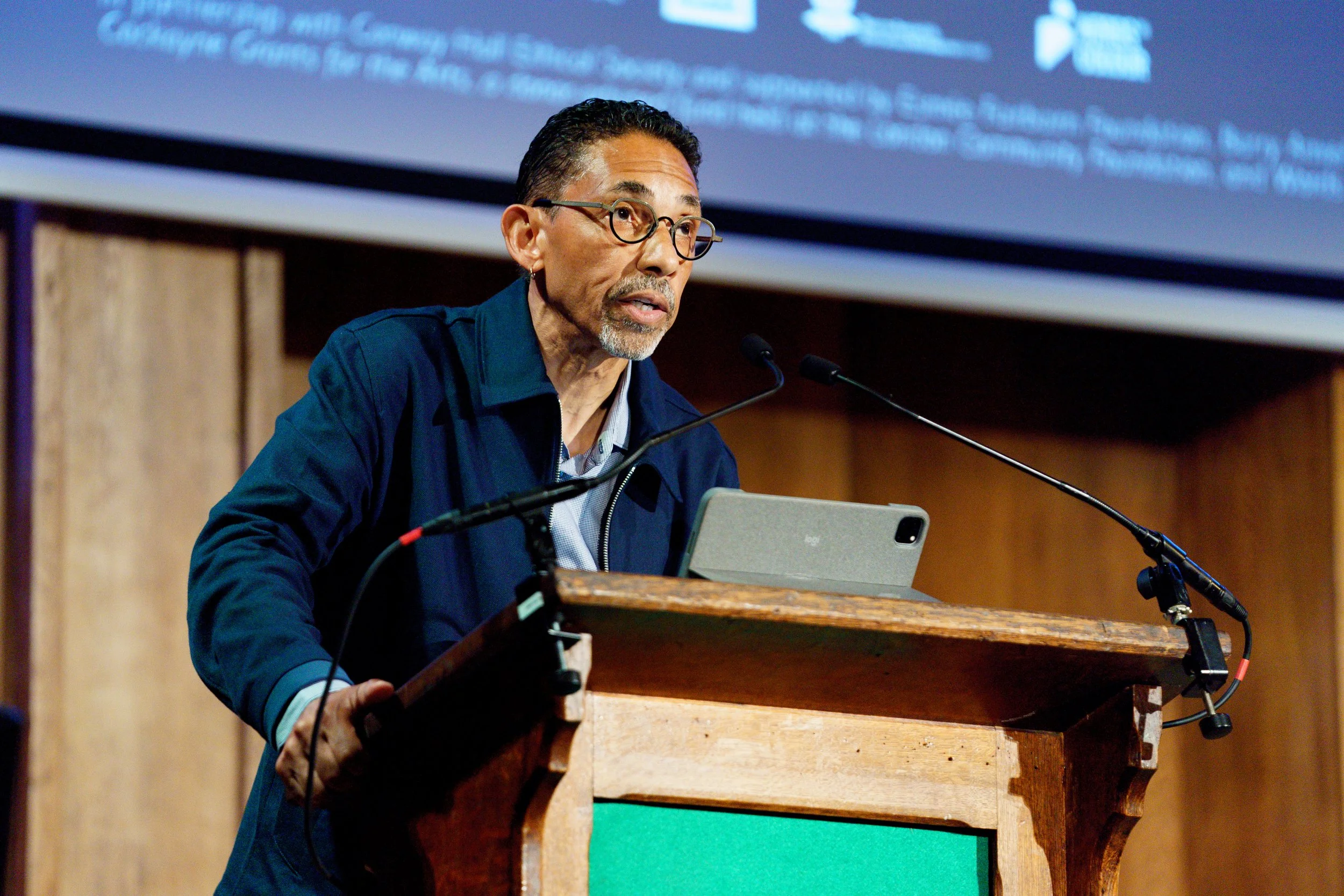
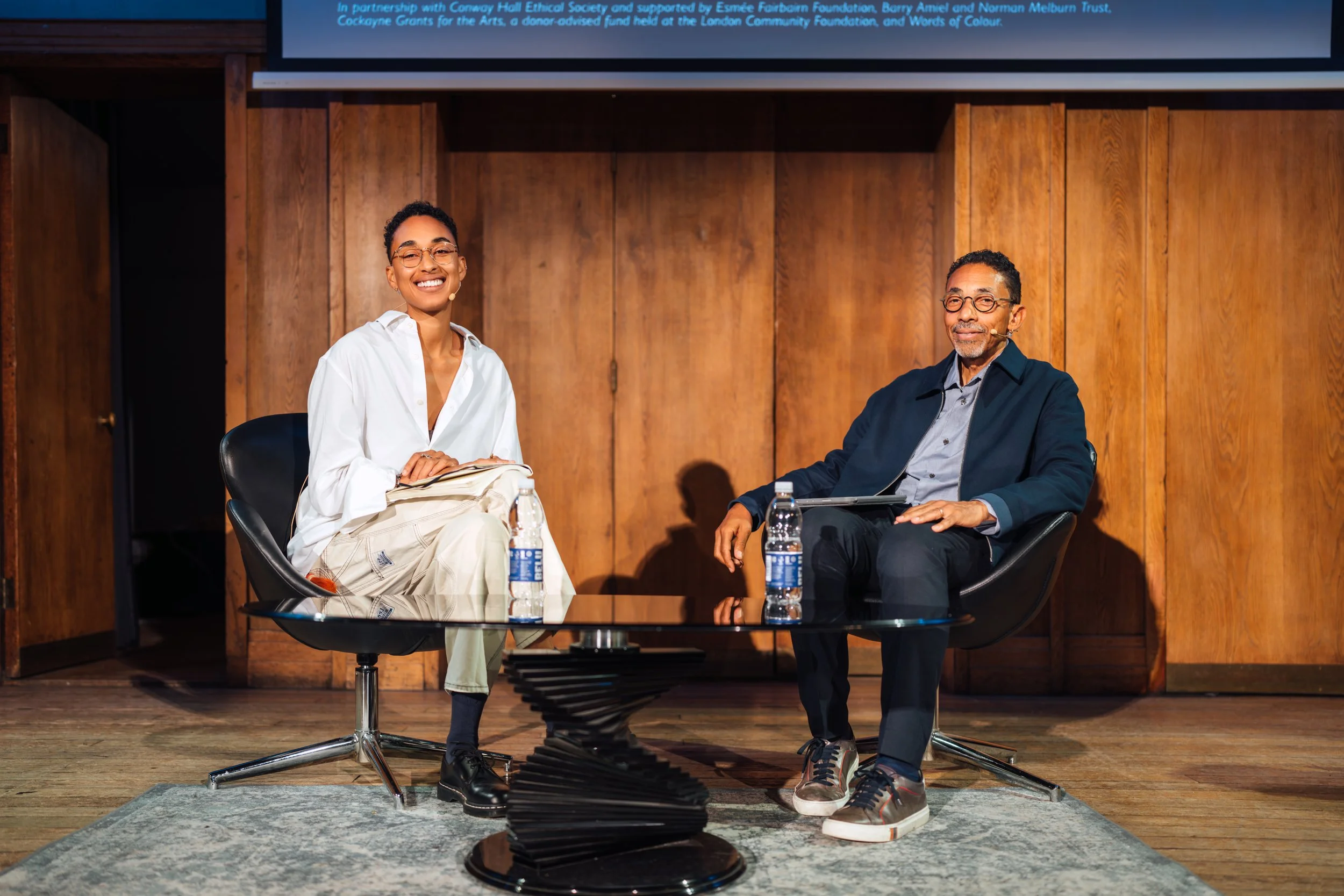
To conclude the Foundation’s Catastrophe & Emergence Programme, The Stuart Hall Foundation invited renowned historian and writer Professor Robin D. G. Kelley to the Foundation’s third Autumn Keynote at Conway Hall, London.
Professor Robin D. G. Kelley was invited to respond to the theme of our 2024 programme Catastrophe and Emergence. He delivered a keynote which examined this current conjuncture, traced the histories constituting it, and considered the political and creative possibilities that may yet emerge from what was. Following the keynote, interdisciplinary writer, artist, editor and curator Imani Mason Jordan chaired a discussion with Professor Kelley, as well as an audience Q&A.