Moving Narratives Fellowship (Cyle 2)
Dates: January 2025 - January 2026
Location: Online, Netherlands, Nepal
Curated by: Bakir Al Jaber, Besa Luci, Mohamad Dib, Natasha Gasparian, Orsod Malik
Presented and supported by: Prince Claus Fund & British Council
Artists: Adit Dewan (Bangladesh), Assem Hendawi (Egypt), Hoo Fan Chon (Malaysia), Leonardo Martinelli (Brazil), Maham Chiragh (Pakistan), Nazira Karima (Kazakhstan / Tajikistan), Pamina Sebastião (Angola), Sikarnt Skoolisariyaporn (Thailand), Vikrant Bhise (India), Vincent Rumahloine (Indonesia), Yara Boustany (Lebanon), Zakiyah Haffejee (South Africa)
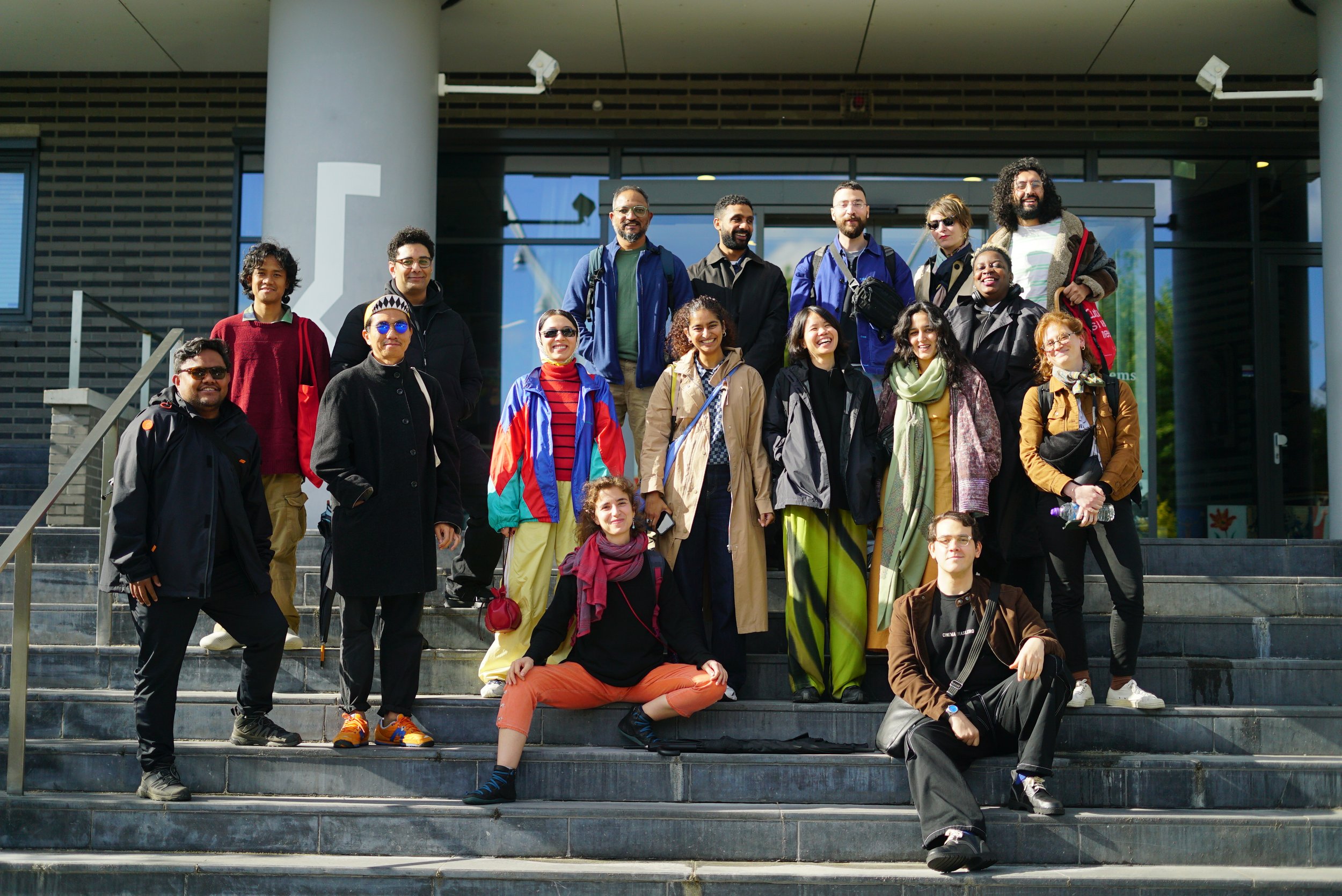
Moving Narratives Fellowship Cycle 2 cohort, Amsterdam 2025In 2025, I was selected as one of three Mentors on the Prince Claus Fund and the British Council’sMoving Narrative’s programme. Moving Narratives is an international fellowship programme supporting artists.
The programme brought together 12 international artists who are engaging with historical narratives across film, performance, archives, sound, writing, and painting practices. The programme proceeded through two in-person convenings in the Netherlands and Nepal, alongside weekly online engagements across 2025.
The programme was structured around mentor-led streams of activity. Each mentor proposed three pedagogically-driven chapters intended to inform artistic practice throughout the course of the year.
I designed and facilitated the three chapters detailed below, focusing on the concept of Shared Histories — how collective interpretations of the past are produced, contested, and remade.
This opportunity enabled close, year-long collaboration with the full cohort of artists and culminated in a co-authored publication, developed through collective study, dialogue, and writing.
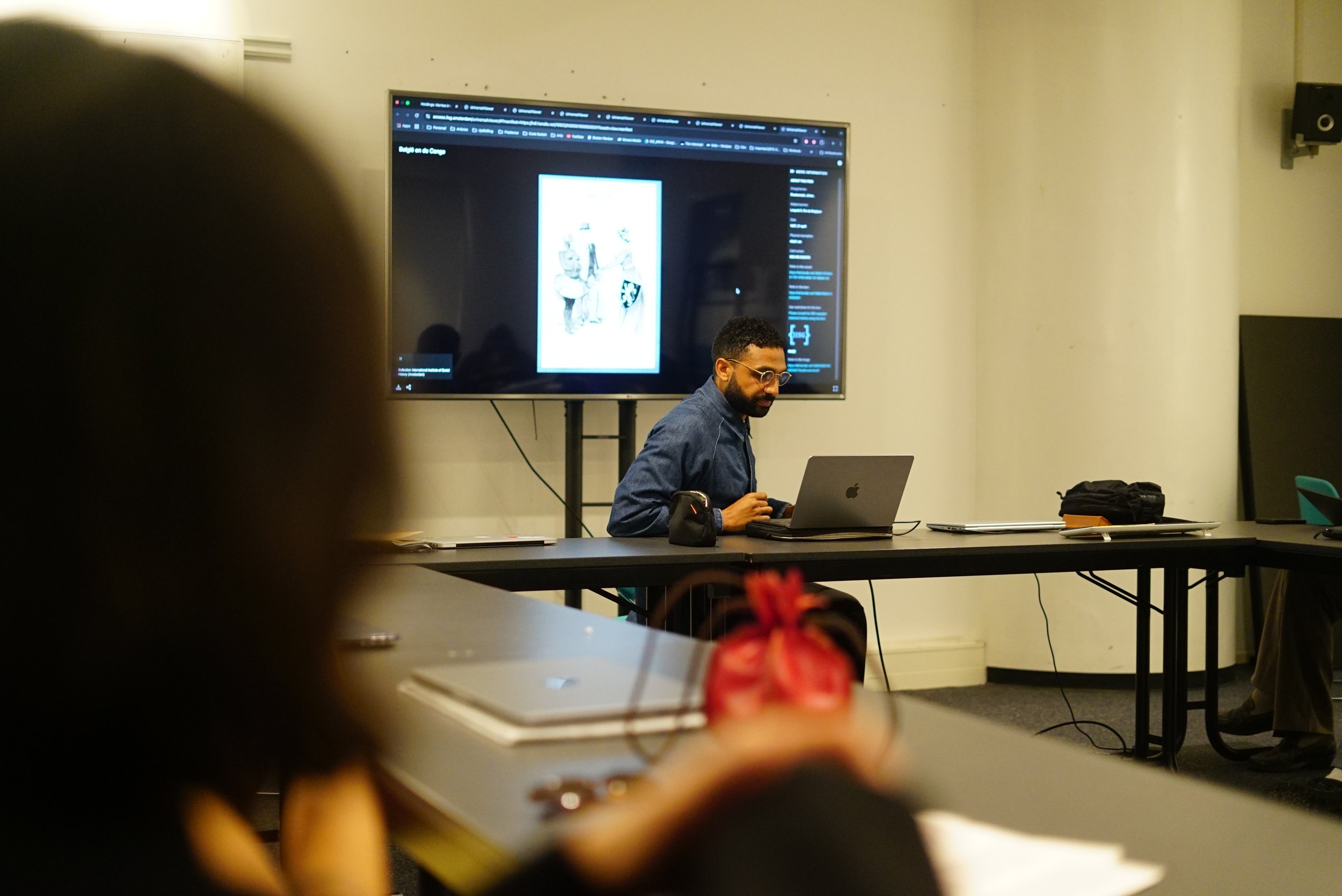
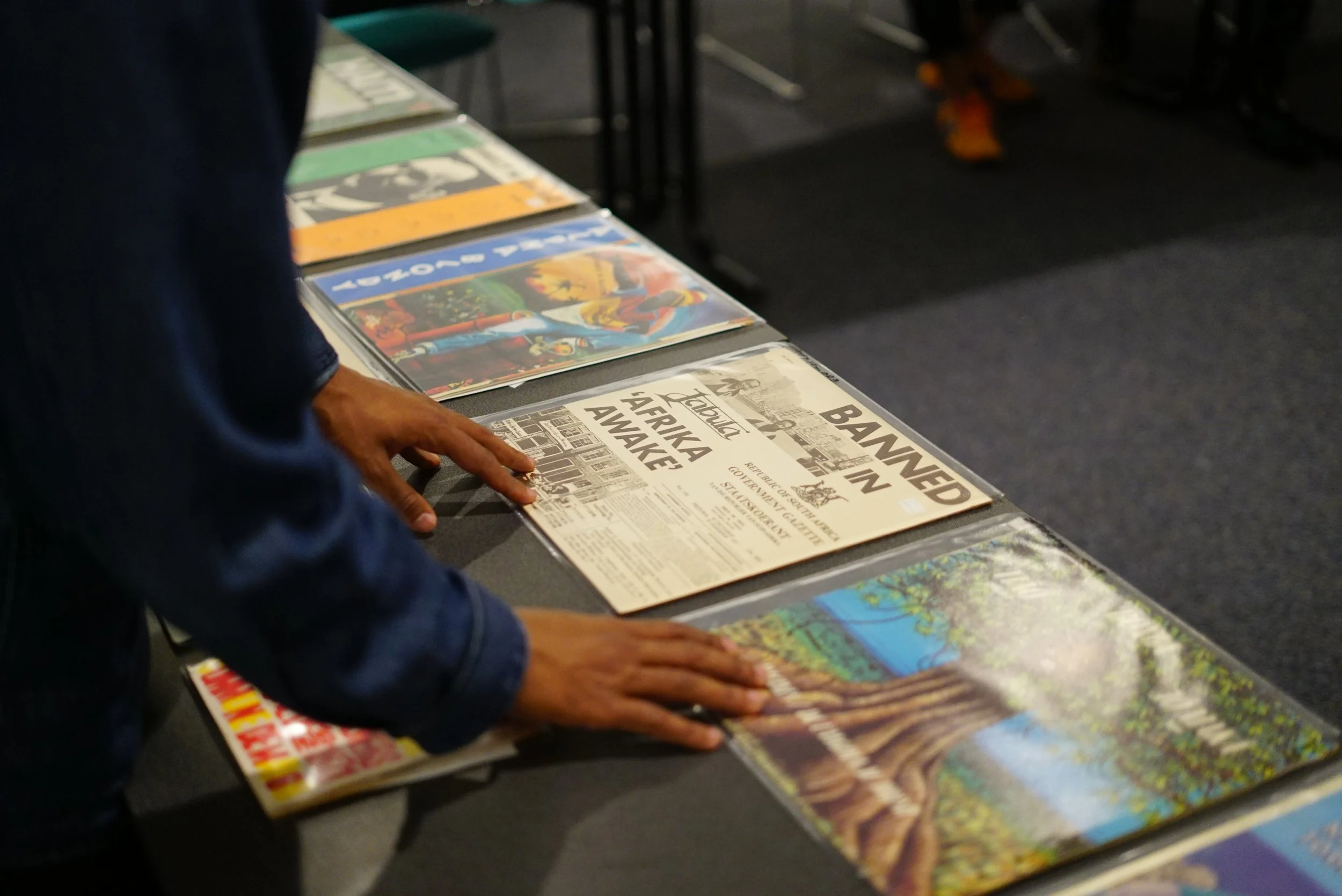
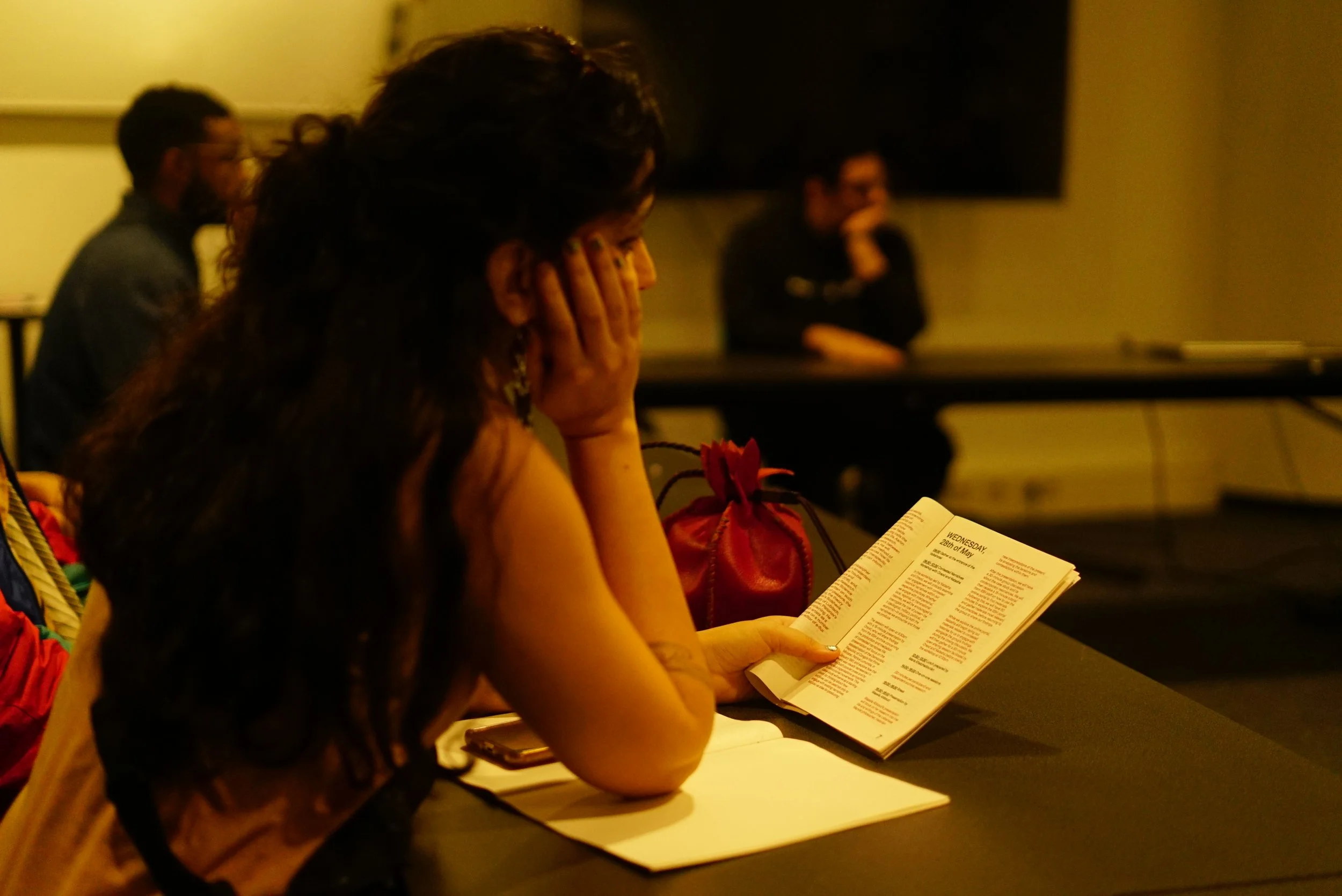
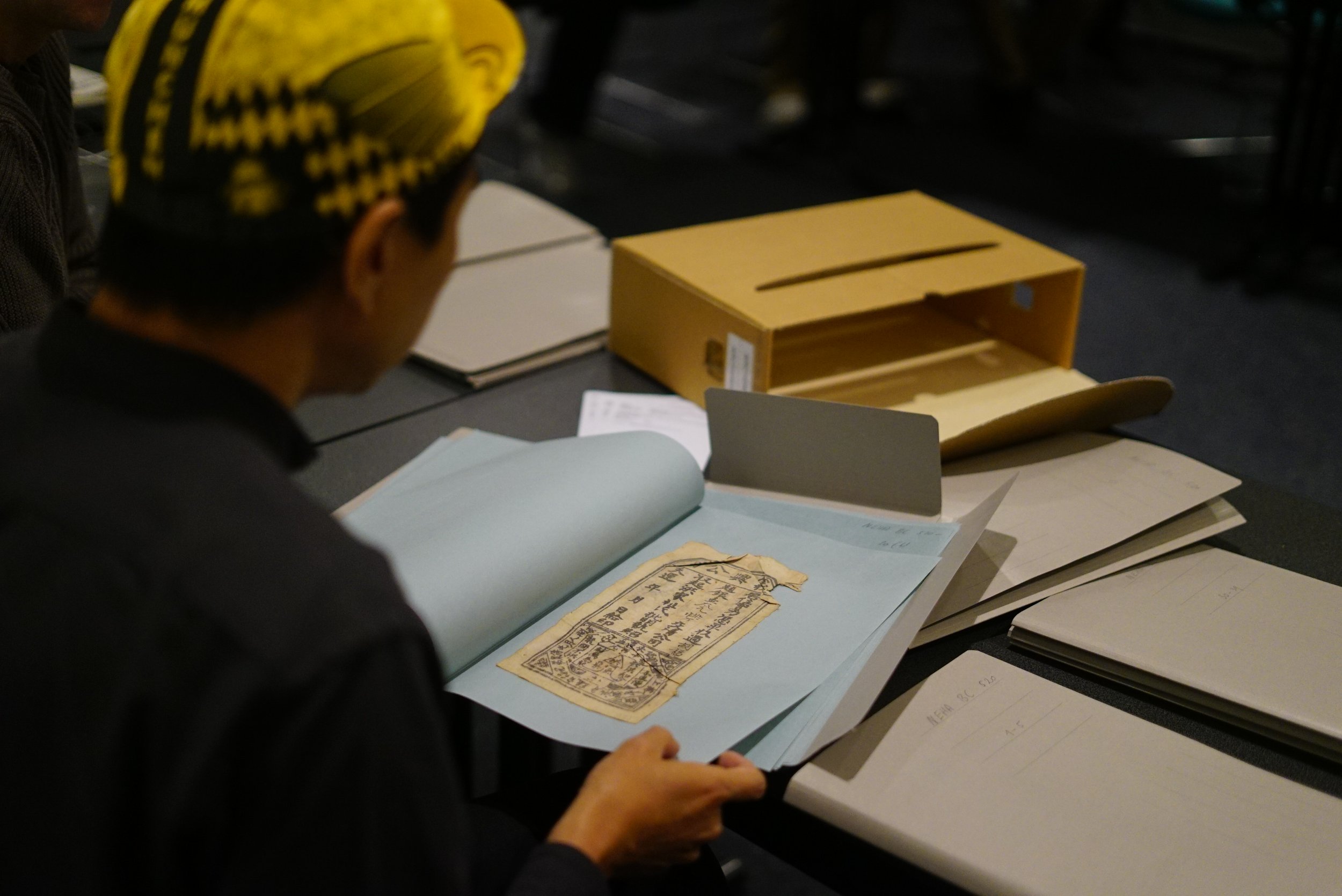
Archival presentation at the International of Social History, Amsterdam, May 2025 | Captured by Leonardo Martinelli Mentorship Stream: Shared Histories
The ‘Shared Histories’ chapter of Moving Narratives approached history as an open political field shaped through contestation, interpretation, and relations to power. The chapter foregrounded questions of authorship, narrative construction, and historical omissions, inviting fellows to examine how collective interpretations of the past are produced.
Through critical engagement with historiography, anticolonial thought, and artistic practice, participants reflected on how historical narratives orient political commitments and shape creative methodologies. Functioning as a space for collective study and dialogue, the chapter connected individual practices to broader historical and cultural frameworks, positioning shared history as a site through which collective imaginaries can be interrogated, contested, and remade.
Chapter 1: Shared History
The first chapter introduced shared history as a way of examining how groups of people are positioned within — and position themselves in relation to — historical narratives. Through opposing readings of different historical moments - such as the Grenadian Revolution (1979-1983) and the assassination of Congolese President Patrice Lumumba (1961) - we explored how historical narratives are mobilised to shape collective identities, and influence ways of making sense of the world.
The chapter framed the past as an open site of struggle, focusing on the ways historical narratives shape collective imaginaries.
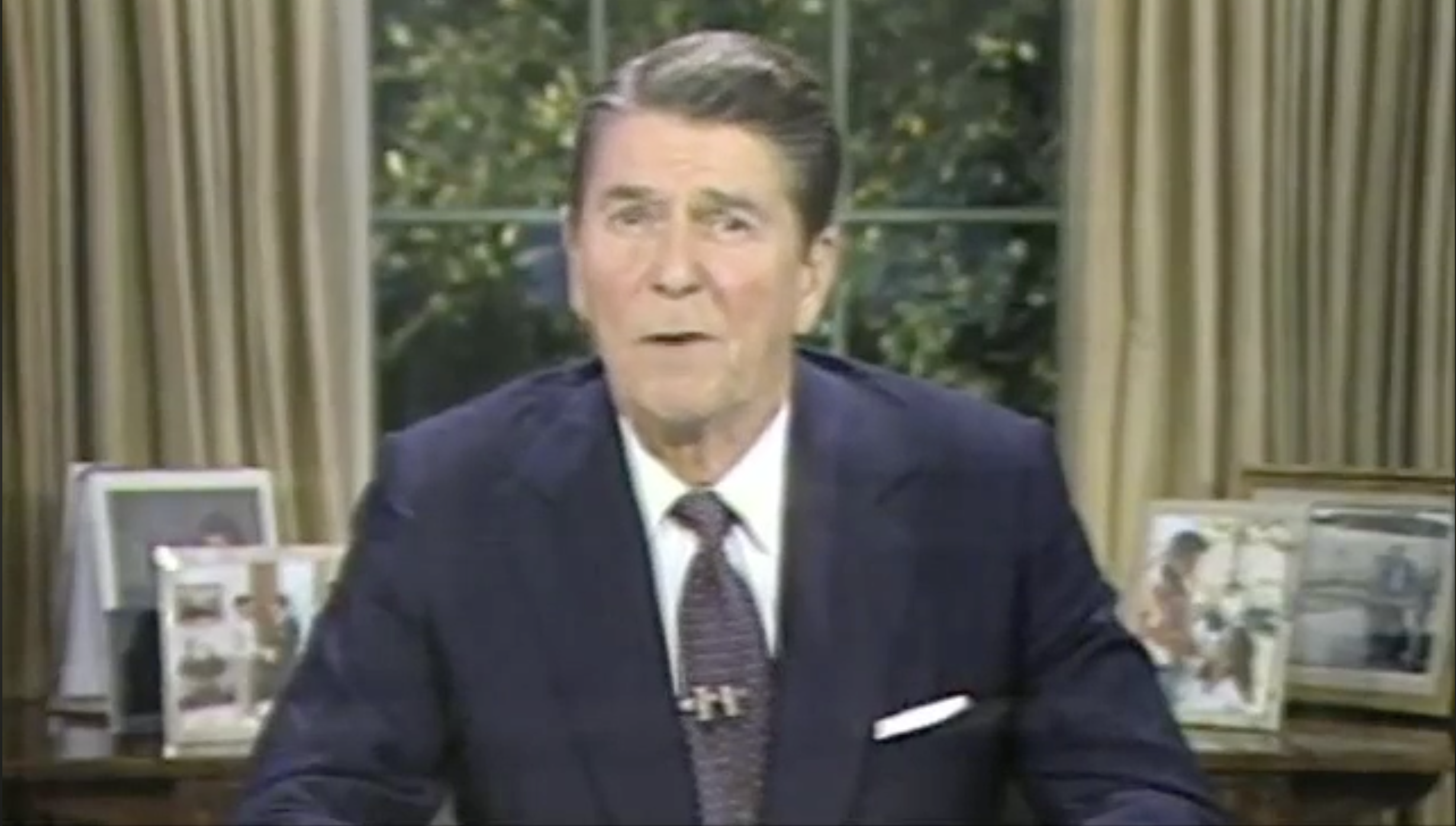
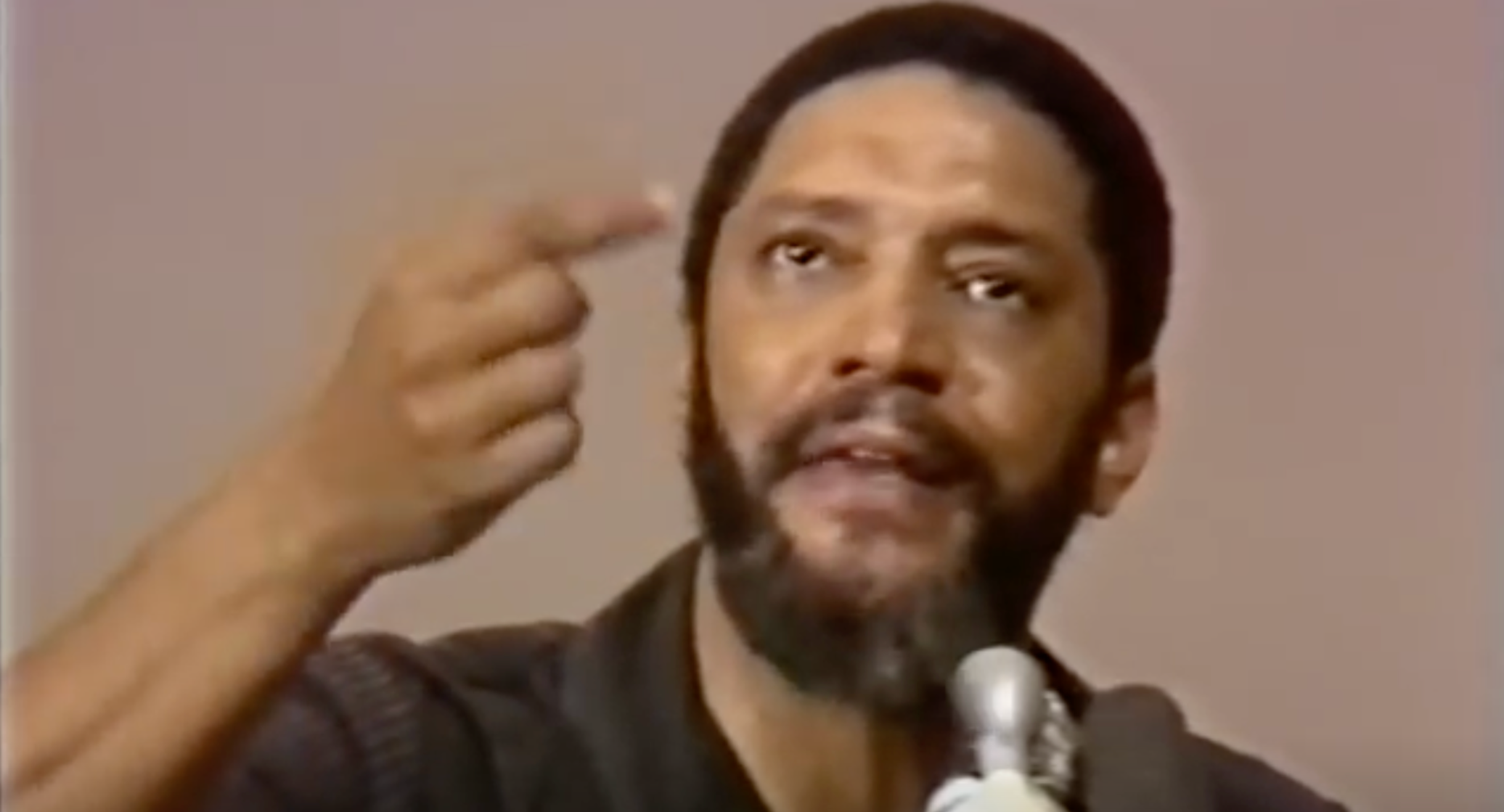
President Reagan's Address on Events in Lebanon and Grenada, 1983 | Maurice Bishop Speaks in NYC at Hunter College, 1983 Chapter 2: Working With and Against History
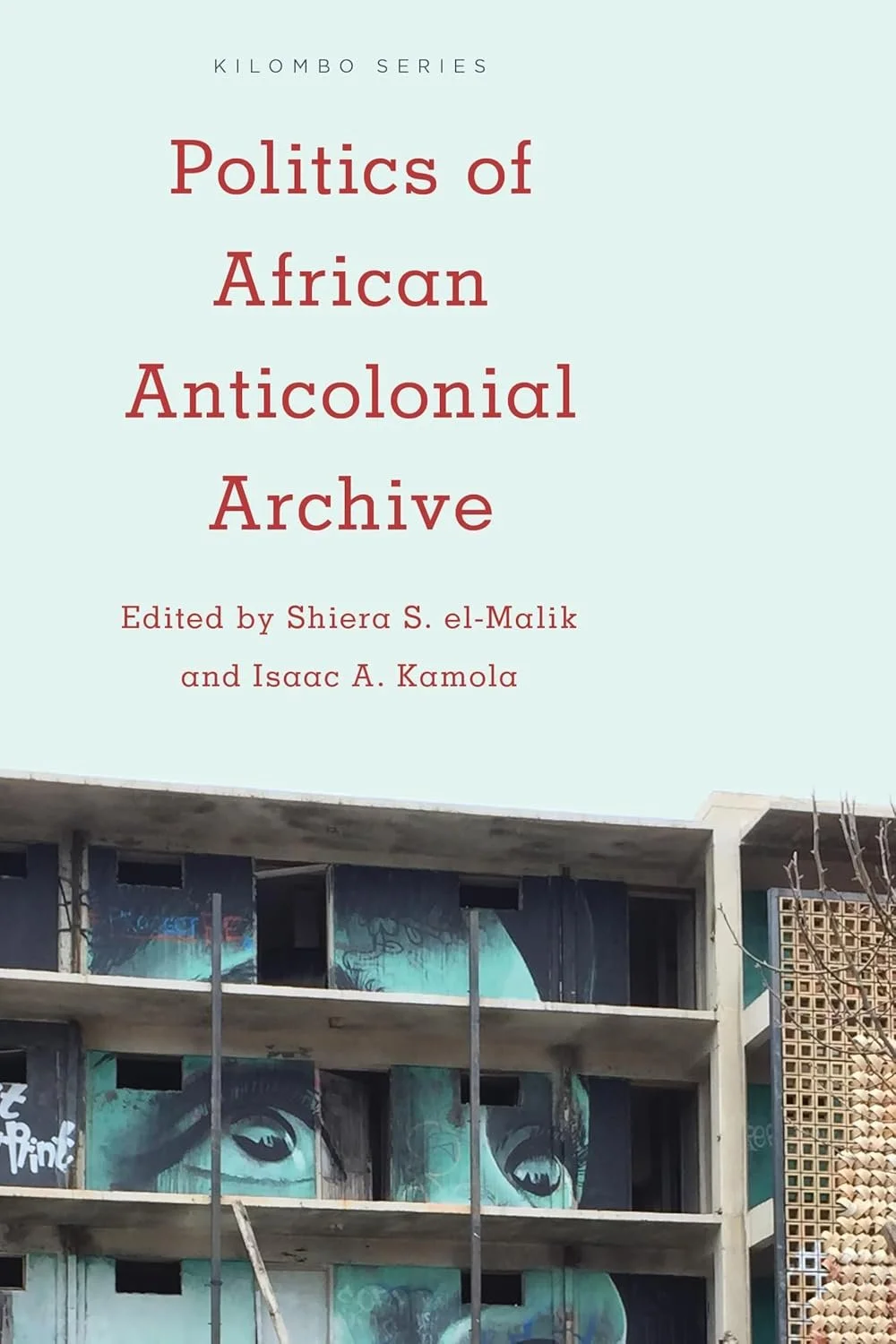
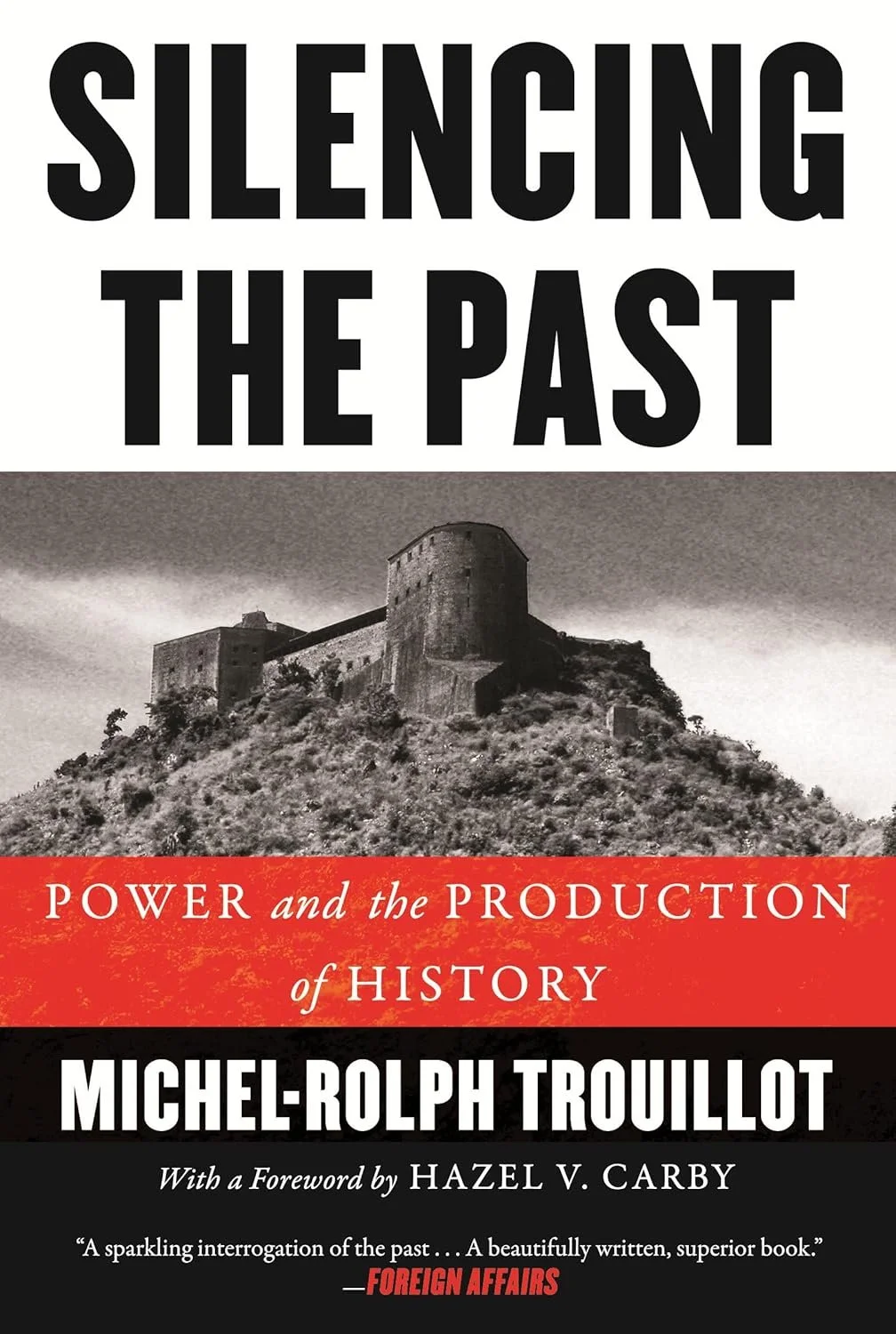
The second chapter focused on the production of history - the role of power in shaping the historical record. We considered how facts are assembled, how silences are produced, and how interpretations of the past influences how we build collectivities in the present. Key reference points for this chapter included Malik & Kamola’s The Politics of African Anticolonial Archiv (2017) and Michel-Rolph Trouillot’s Silencing the Past (1995).
Through these texts, I invited the cohort to consider how their artistic practices work with and against historical narratives.
Chapter 3: Producing History Anew
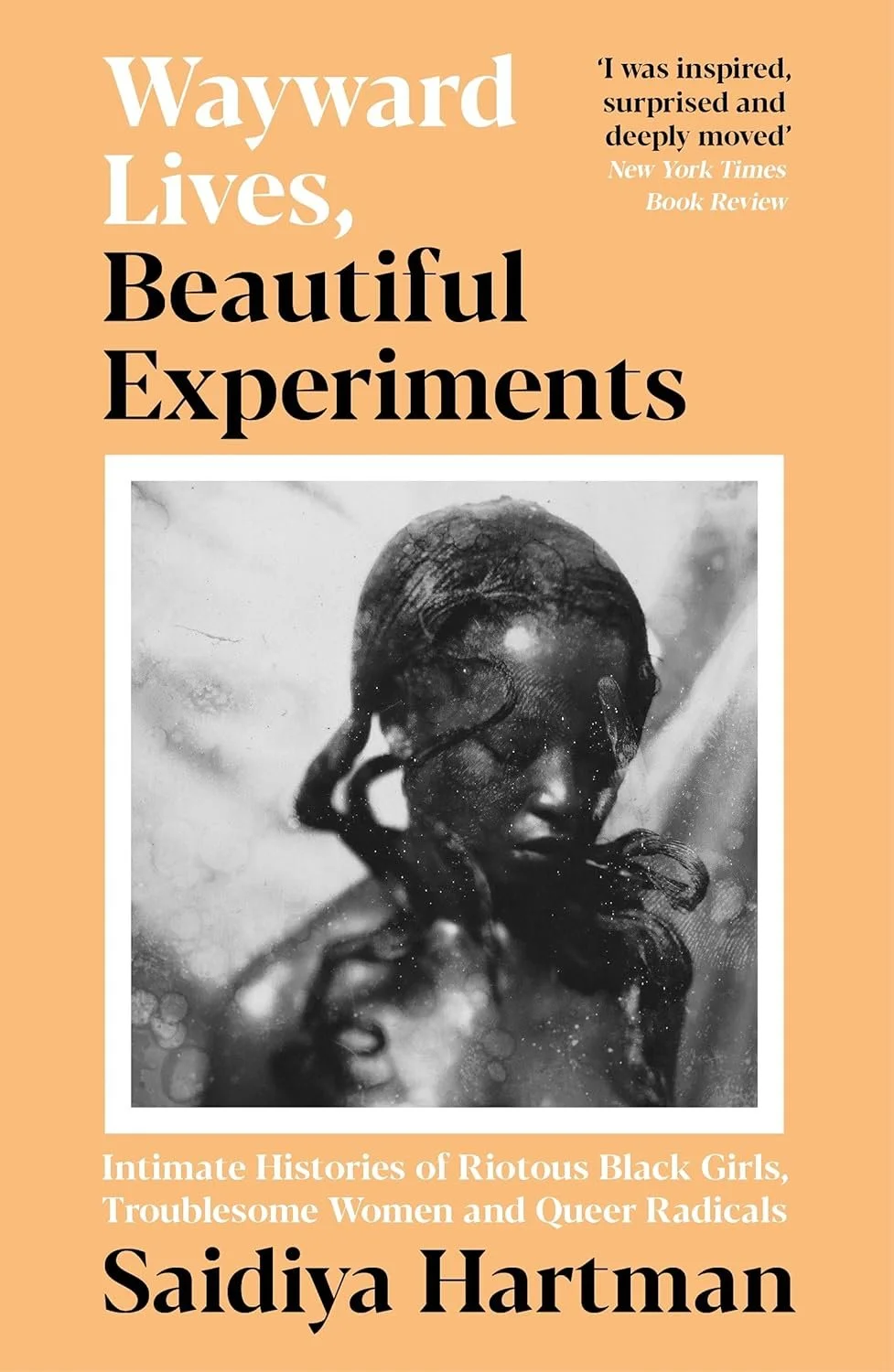
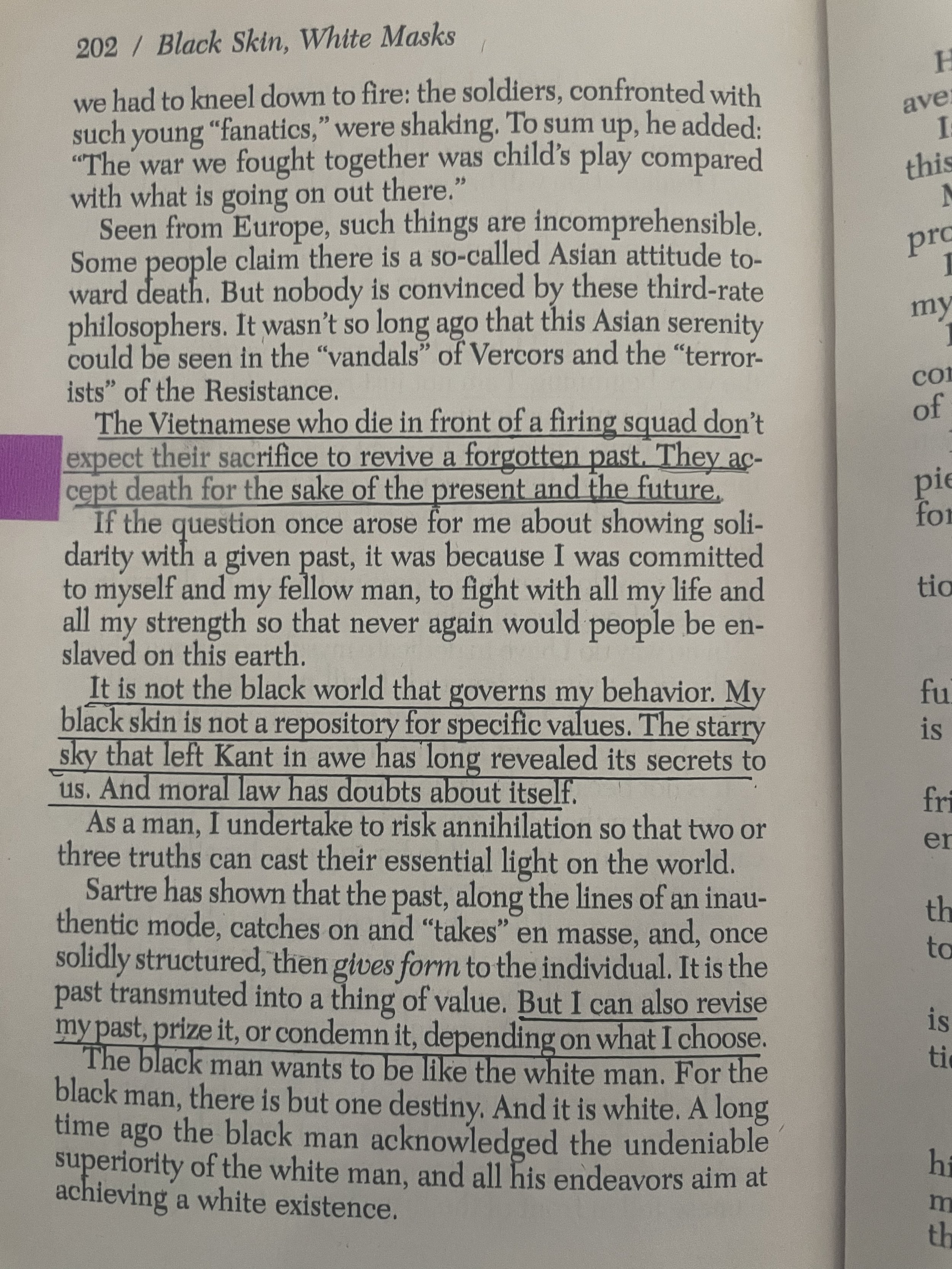
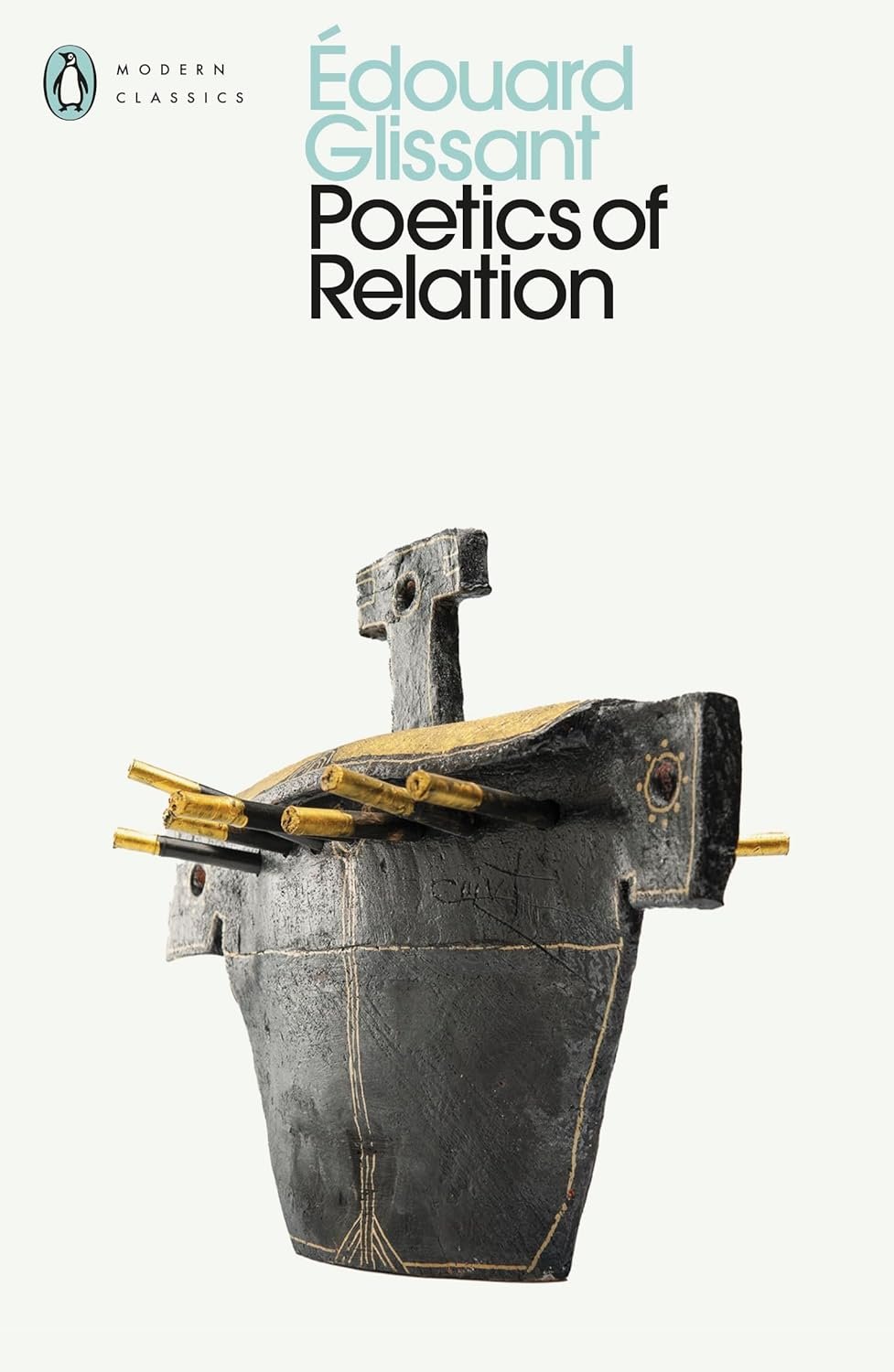
The final chapter explored the possibility of producing history anew. The contents of this chapter drew on Saidiya Hartman’s method of critical fabulation, alongside readings of Frantz Fanon and Édouard Glissant to consider how collectivities might produce a shared history that can reflect contemporary political concerns.
I opened the session with a reflection on a photograph of my great-grandfather, Hamad Mohamed El Malik (1869–1934). I used the image from my family archive to think through colonial power and the politics of recognition. The chapter foregrounded speculation, memory, and imagination as tools for positing alternative ways to relate to historical subjects, events, and movements.
This chapter concluded my stream with the following question: If history is made, then how can it be remade to build new forms of collectivities in the present?
Publication
The programme culminated in a collectively produced publication, developed through sustained dialogue, shared research, and collaborative writing across the cohort. The publication brought together reflections and propositions developed throughout the programme, extending Moving Narratives beyond the fellowship into a shared material intervention.
[Images of the publication coming soon…]